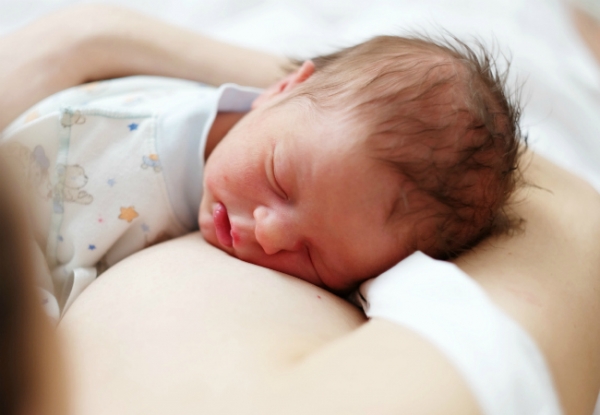
The natural food of an infant is breast milk, and the mother should make every effort to nurture her baby. Breastfeeding is a natural process and can be managed quite easily by the majority of mothers and the benefits of breastfeeding for baby goes on and on.
1. Breastmilk does not cost money and is best suited for baby’s digestive system.
There is no need to anticipate trouble that may never occur. It is seldom that breast milk does not suit the baby, so if things go wrong do not be in a hurry to blame the milk; there might be an underlying health issue at fault. It should be remembered that giving a baby breast milk, even if it can only be done for a few weeks, is better than not breastfeeding at all.
The breast milk of the mother is supplied by nature and in the great majority of cases it cannot be improved upon. The composition of the milk is suited to the baby. Studies show that the milk of every animal meets the requirements of that animal. The proportion of fat, protein, carbohydrate, mineral salts, and other constituents varies with the particular need of each, for nature provides the right food for the infant. In the case of the human mother it’s her duty to see that her child gets this food.
Other benefits include of breastfeeding include breast milk that is free from germs, if supplied at the correct temperature. It also presents no transport difficulties while transferring substances that help to protect the baby from disease.
Tips for Mothers:
- According to the American Academy of Pediatrics, breastfed babies may have healthier starts in life.
- In order to produce good milk for her baby the mother should be careful of her own health. Your diet should be adequate and well balanced. It should contain plenty of fruit and vegetables and fluids, some of which should be taken in the form of milk. Experts suggest a total quantity of milk taken in 24 hours should be one and a half to two pints, if that amount can be tolerated.
- Light to moderate physical activity is recommended. Fresh air is important, so keep your living rooms and bedrooms well ventilated.
- It’s tough with a newborn, but try to get enough sleep. Also consider adopting a mindfulness routine to reduce anxiety and stress.
- Feeding should be done regularly by the clock, not by guess work. If baby cries between feeds and especially at night, this may not be an indication for feeding. Check for other signs of discomfort, such as a wet nappy, temperature and other outside elements first. Feeding too frequently can lead to increased fatigue in both the mom and baby, which can give rise to many other troubles.
- Precautionary Substances to Avoid: Strong tea, spirits, beer and stout should be avoided. Rich and highly flavored foods are not desirable. Cigarette smoking during lactation is also unwise as the nicotine passes into the milk. If the mother cannot deny herself entirely, she should keep it to a minimum of three or four cigarettes a day.
The Discipline of Regular Feeding:
The discipline of regular feeding is a good lesson for babies and one of the first they can learn. Irregularity can lead to discontent, digestive upsets and a failure in the supply of milk.
- Baby should be put to their mother’s breast a few hours after birth, for about five minutes. Do this every six-hours during the first 24 hours, if possible, and five times at four-hour intervals for the next 24 hours.
- Some babies will want to feed every 1.5 hours, but some may not want to feed until 3-4 hours have passed. If baby does not wake for feedings, baby should be woken up in order to feed on a regular schedule.
- After the first month, a schedule can be set at three to four-hour feedings. Weak and premature babies may need more frequent feeding, however, the three or four hour program suits most babies.
- Weaning can take place at the age of nine months, unless there is some good reason for not doing so. It is unwise to wean a child during a heat wave or during epidemics and be aware that the actual process usually takes about three weeks.
- Natural feeding means more to the baby than the healthy satisfaction of hunger: the act of suckling is a bonding experience between mother and child. It helps to supply that atmosphere of security and protection that is so necessary a foundation for the development of nervous stability.
To breastfeed, a new mom will have to give up a small amount of her freedom. But the lifelong bond being formed between mother and child is worth it.
If you are concerned about breastfeeding or have questions, try these tips from the American Academy of Pediatrics and CDC.
- Call someone for help, a family member or friend can have some great info or insider tips that worked for them!
- Ask your pediatrician! Your doctor will have information on breastfeeding, can offer you support and in some cases, you can ask to be referred to a lactation consultant.
- Do what is best for you and your baby! Each mother has a different experience and there is no right way that works for every baby.
For more tips on nursing check out these other resources!
All content on this Web site, including medical opinion and any other health-related information, is for informational purposes only and should not be considered to be a specific diagnosis or treatment plan for any individual situation. Use of this site and the information contained herein does not create a doctor-patient relationship. Always seek the direct advice of your own doctor in connection with any questions or issues you may have regarding your own health or the health of others.